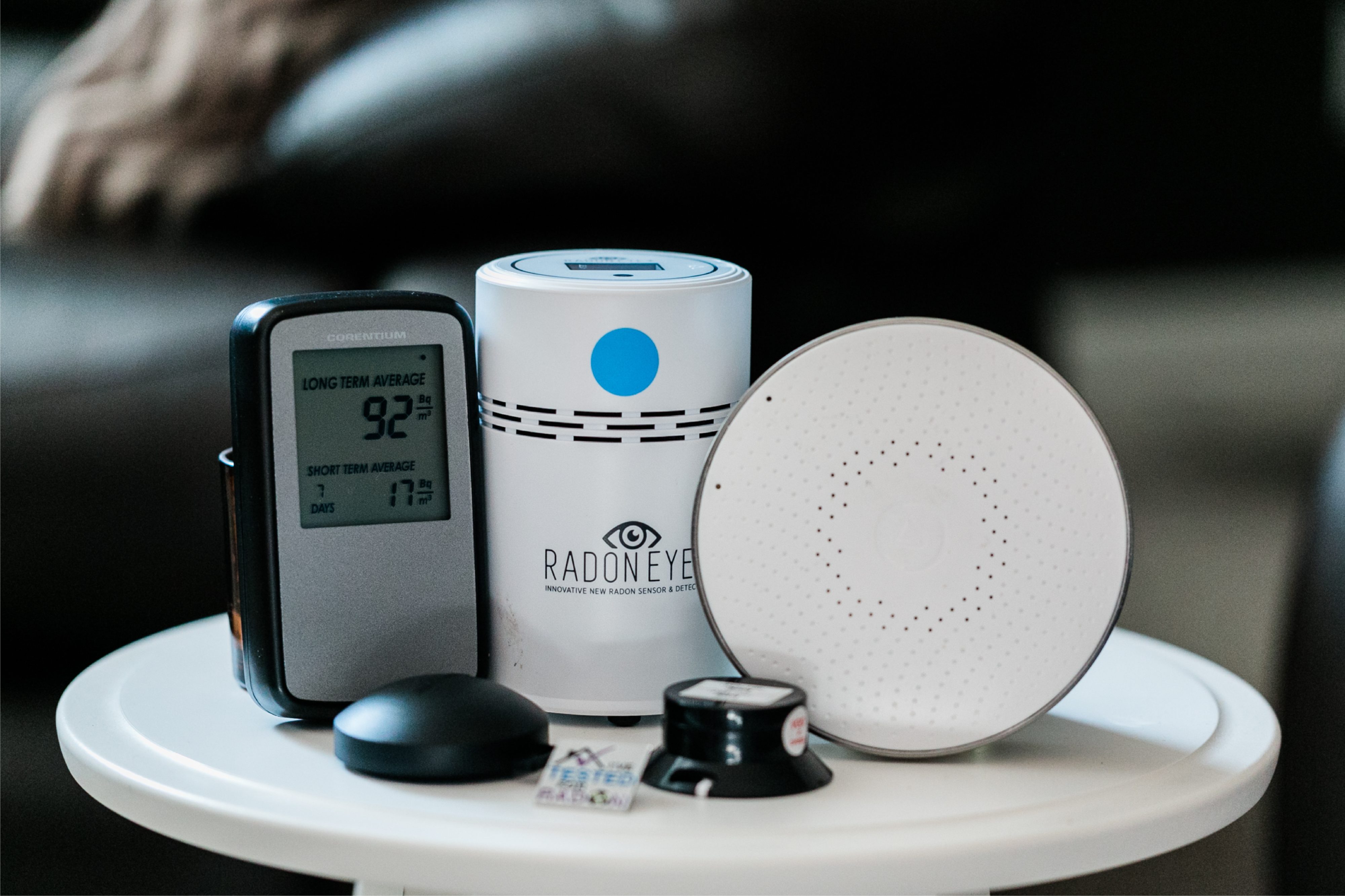
Image by TakeActionOnRadon from Pixabay
Residents of Renfrew County and the surrounding area are being encouraged to test their homes for radon this winter through a community initiative offering free information and a limited number of home testing kits.
The 100 Radon Test Kit Challenge will include a free online information session on Oct. 28 at 7 p.m., covering the health risks associated with radon, why the gas is a concern and Health Canada’s recommendations for homeowners.
Participants who register for a free test kit will receive an email with instructions to join the session.
The kits can be picked up from the Renfrew County and District Health Unit at 141 Lake St., Suite 100, in Pembroke, from Nov. 2 to 6, between 8 a.m. and 4 p.m.
Radon is a radioactive gas released when uranium in soil breaks down. It is colourless, odourless and tasteless, allowing it to enter homes undetected.
The gas can accumulate indoors, particularly in Canadian homes sealed against cold weather. Long-term exposure to high radon levels can damage lung tissue and increase the risk of lung cancer.
According to the release, radon exposure contributes to more than 3,000 deaths in Canada each year.
Pam Warkentin, executive director of the Canadian Association of Radon Scientists and Technologists and project manager for Take Action on Radon, says awareness of the gas and its link to lung cancer is growing, but some homeowners remain hesitant to test their properties.
She says the challenge provides an opportunity for communities to work together to reduce radon exposure and prevent deaths.
Dr. Jason Morgenstern, medical officer of health for the Renfrew County and District Health Unit, says the initiative aims to encourage residents to complete 100 radon tests.
He says each test can help improve understanding of local radon risks and allow homeowners to make informed decisions about their health and properties.
Radon is a recognized human carcinogen, and testing homes is an important step toward preventing cancer, Morgenstern says.
The number of free test kits is limited, and residents must register online.
Those who wish to attend the information session without requesting a test kit can contact Take Action on Radon at info@takeactiononradon.ca.
Take Action on Radon is a national initiative led by the Canadian Association of Radon Scientists and Technologists and the Canadian Cancer Society to raise awareness and encourage action on radon exposure.
More information about radon and home testing is available at TakeActionOnRadon.ca.
(Steve Berard)
